Best Iterable Alternatives for Customer Engagement & Retention (2026)
Compare the top Iterable alternatives and competitors for 2026 — Sortment, Braze, CleverTap, and MoEngage — for automation, retention, and pricing.
Abhimanyu
·
New York
·
If you’re searching for Iterable alternatives, you’re likely hitting a wall - whether it’s rising costs, complex implementation, or limited flexibility as your business scales. Most teams don’t switch from Iterable because it’s bad - they switch because it stops fitting how they grow.
Iterable is powerful, no doubt. But it’s not built for everyone. Many growing brands today are switching to tools that are:
Easier to use
More cost-efficient
Better at real-time, omnichannel engagement
In this guide, we break down the best Iterable alternatives in 2026 - not just as a list, but based on real use cases like startups, eCommerce brands, and enterprise teams.
So instead of asking “What’s similar to Iterable?”, you’ll walk away knowing:
Which platform is actually better for your business - and why.
What Should You Look for in an Iterable Alternative?
Teams switching from tools like Iterable typically look for faster execution, lower engineering dependency, and clearer impact on retention - not just more features.
The best Customer Engagement Platforms and marketing automation tools align with your team’s speed, your users’ behavior, and your growth model. Here’s what actually matters:
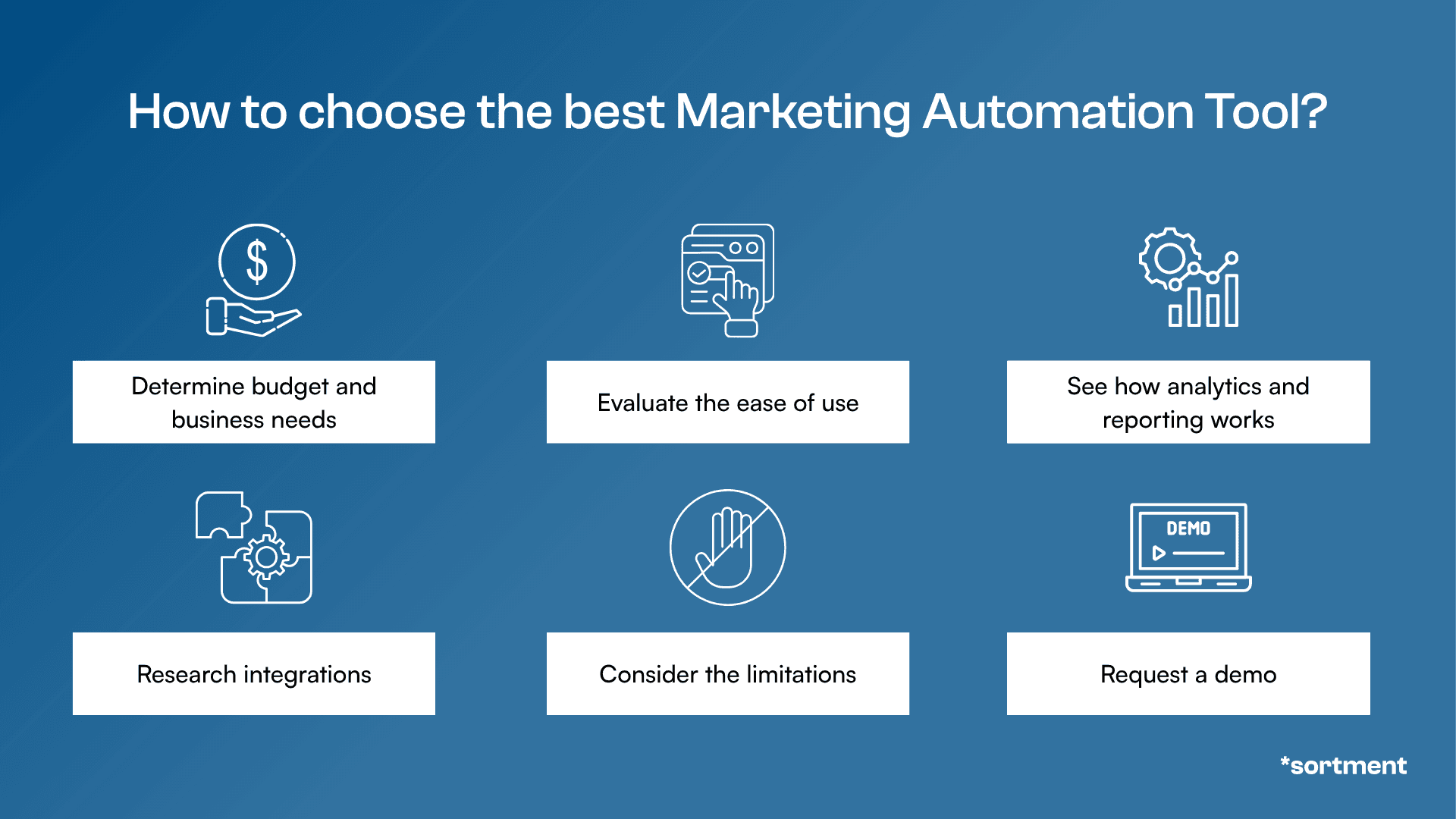
Figure: How to choose the right Iterable alternative based on your use case
Scalability
Can the platform grow with you? Look for tools that handle increasing data, users, and campaigns without breaking workflows or slowing execution.
Omnichannel Capabilities
Modern engagement isn’t one-channel. You need email, push, SMS, and in-app working together - not in silos.
Ease of Use
If your team depends on developers for every change, you’ll move slow. Prioritize intuitive workflows and fast execution.
Analytics Depth
Surface-level metrics won’t cut it. You need cohort analysis, retention tracking, and lifecycle insights to make decisions.
AI Capabilities
Smart automation matters. Look for predictive segmentation, send-time optimization, and personalization that actually improve performance.
What Are the Best Iterable Alternatives in 2026?
If you’re looking for the best Iterable alternatives, the right choice depends on your use case - whether it’s real-time engagement, omnichannel automation, or cost efficiency. You’re technically looking for the Best Customer Engagement Platform.
Some tools are better for enterprise scale, others for startups, and some are built specifically for retention and revenue.
Here are the top Iterable competitors, compared based on where they actually perform better:
Tool | Best For | Strength | Limitation |
Sortment | Mobile apps, PLGs, subscription brands | Retention-focused, fast execution | Not built for heavy enterprise use |
Braze | Enterprise teams | Real-time, large-scale engagement | High complexity, resource-heavy |
MoEngage | B2C, mobile-first brands | Omnichannel engagement | Less flexible for deep customization |
Customer.io | Startups, SaaS, lean teams | Flexible, lightweight | Limited advanced enterprise features |
WebEngage | Retention & lifecycle teams | Strong analytics & segmentation | Slight learning curve |
Table: Quick comparison of the best Iterable alternatives based on use case and capabilities
Sortment - Best for eCommerce Retention Without Complexity
Most tools like Iterable are built to be everything for everyone. Now what does that mean? Slower execution, higher costs, and more dependency on engineering than most teams can afford. Sortment flips that.
Sortment is built with a clear goal: to drive retention and repeat revenue without operational chaos.
When to choose Sortment over Iterable:
You care more about repeat purchases and LTV than just sending campaigns
Your team wants to move fast without relying on developers
You don’t want to spend months setting up journeys before seeing results
You run an eCommerce or D2C brand where speed = revenue
What actually stands out:
Cleaner workflows that don’t require constant back-and-forth with tech teams
Faster time-to-value compared to enterprise-heavy tools
Built around outcomes (retention, revenue), not just features
Best for: Subscription and mobile app brands that want results without the usual complexity of engagement platforms.
Braze - Built for Enterprise-Scale, Real-Time Engagement
Braze is a powerful platform, but it’s built with enterprise scale in mind - which means more capability, but also more complexity.
It works well when you have the team and infrastructure to fully leverage it.
When to choose Braze over Iterable:
You need real-time data processing at very high scale
You’re managing complex, multi-channel customer journeys
You have dedicated teams to handle setup, optimization, and maintenance
Your use case goes beyond basic retention into advanced lifecycle orchestration
What actually stands out:
Strong real-time event streaming and personalization
Advanced journey orchestration across multiple channels
Built to handle large-scale, high-frequency engagement
Best for: Enterprise teams with the resources to manage complex, real-time engagement at scale
MoEngage - Built for Omnichannel, Mobile-First Engagement
MoEngage sits in that middle ground - more capable than lightweight tools, but easier to manage than heavy enterprise platforms.
It’s especially strong when your users live on mobile and you want to engage them across channels without too much complexity.
When to choose MoEngage over Iterable:
Your audience is primarily mobile-first
You want omnichannel engagement (Push, Email, SMS, WhatsApp) in one place
You need faster campaign execution without deep technical setup
You’re scaling but don’t want full enterprise-level complexity yet
What actually stands out:
Strong mobile engagement capabilities
Native support for multiple channels
Easier campaign setup compared to more complex platforms
Best for: B2C and mobile-first brands looking for omnichannel engagement without heavy complexity
Customer.io - Built for Flexibility and Lean Teams
Customer.io is simple, flexible, and doesn’t try to overcomplicate things - which is exactly why many startups prefer it.
It gives you control without locking you into rigid workflows.
When to choose Customer.io over Iterable:
You want more control over workflows without enterprise overhead
You prefer transparent, predictable pricing
You have a lean team that needs to move quickly
You don’t need heavy, multi-layered automation
What actually stands out:
Flexible workflow customization
Lightweight and faster to implement
Developer-friendly without being overwhelming
Best for: Startups, SaaS companies, and lean teams that value flexibility and speed
WebEngage - Built for Retention-Led Growth Teams
WebEngage is focused on one thing: helping you understand users better and bring them back.
If retention is your main growth lever, it starts to make more sense than generalist tools.
When to choose WebEngage over Iterable:
You rely heavily on segmentation and cohort analysis
You want deeper visibility into user behavior and retention trends
Your focus is on improving engagement over time, not just campaigns
You need structured lifecycle marketing
What actually stands out:
Strong segmentation and cohort analysis
Retention-focused automation journeys
Better visibility into user lifecycle behavior
Best for: Growth and retention teams that prioritize long-term user engagement
Which Iterable Competitor or Alternative Is Best for Your Use Case?
Most “Iterable alternatives” lists miss the point.
They compare features.
But what actually matters is: which tool fits your growth stage and use case.
Here’s a faster way to decide as we break down which of the Iterable competitors actually fit your growth model:
Sortment - Best for Mobile Apps, PLGs & Subscription Retention
When to choose Sortment over Iterable:
You run a PLG, mobile app, or subscription business
Growth depends on activation, retention, and repeat usage
You need event-driven journeys, not just campaigns
What stands out:
Built for retention loops and lifecycle triggers
Faster execution around upgrade, renew, re-engage
Braze - Best for Real-Time, Enterprise-Scale Engagement
When to choose Braze over Iterable:
You need real-time engagement at scale
You manage complex, multi-channel journeys
You have dedicated lifecycle teams
What stands out:
Strong real-time personalization
Advanced journey orchestration
MoEngage - Best for Omnichannel, Mobile-First Brands
When to choose MoEngage over Iterable:
Your audience is mobile-first
You need push, email, SMS, WhatsApp in one place
You want faster campaign execution
What stands out:
Strong mobile engagement
Native omnichannel support
Customer.io - Best for Startups & Lean Teams
When to choose Customer.io over Iterable:
You want flexibility without enterprise complexity
You prefer transparent pricing
You have a lean team
What stands out:
Flexible workflow control
Lightweight and fast setup
WebEngage - Best for Retention & Lifecycle Teams
When to choose WebEngage over Iterable:
You rely on segmentation and cohort analysis
You want deeper retention insights
You focus on lifecycle engagement
What stands out:
Strong segmentation
Retention-focused journeys
How to Migrate from Iterable Without Losing Data or Campaigns?
Switching tools sounds risky - but most issues come from poor planning, not the platform itself. If you structure the migration right, you can move without losing data, campaigns, or momentum.
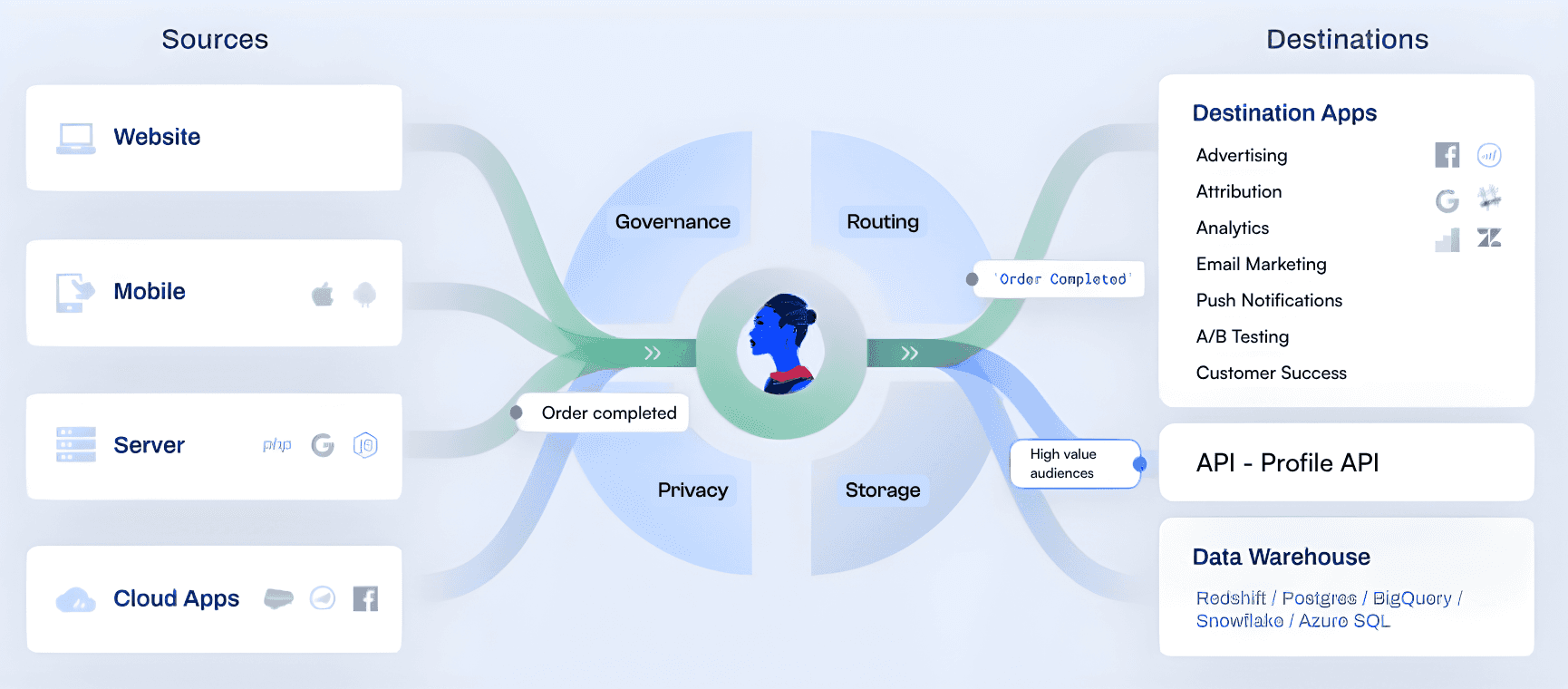
Figure: How to migrate from Iterable without losing data or campaigns
Data Migration Checklist
Start with the foundation. Export user profiles, event data, historical campaigns, and suppression lists. Validate formats early so nothing breaks during import.
Campaign Replication Strategy
Don’t rebuild everything at once. Prioritize high-impact journeys (onboarding, retention, revenue flows), then move secondary campaigns.
Customer Segmentation Transfer
Map your existing segments carefully. Recreate key cohorts, behavioral triggers, and lifecycle stages so targeting stays consistent.
Avoiding Downtime
Run both tools in parallel for a short period. This ensures no gaps in messaging or user experience during the transition.
Common Migration Mistakes
Moving everything at once
Ignoring data validation
Not testing journeys before launch
Underestimating setup time
A phased, test-first approach keeps your migration smooth and risk-free.
If you’re evaluating Iterable for a streaming, media, or subscription product, the playbook matters as much as the platform. See how lifecycle marketing runs in those contexts: lifecycle marketing for streaming platforms and the broader customer lifecycle marketing guide.
Still Not Sure Which Iterable Alternative Fits You?
Choosing the right Customer Engagement Platform isn’t just about picking features - it’s about what actually drives retention, revenue, and growth for your business. If you’re weighing options or planning a switch, it helps to get clarity before committing.
Book a free demo call with our team to walk through your use case, compare options, and see what would actually work for you - no fluff, just practical guidance.
Frequently Asked Questions (FAQs) About Iterable Alternatives
What is the closest competitor to Iterable?
Braze is often considered the closest competitor. It offers similar capabilities around cross-channel engagement, journey orchestration, and real-time messaging, but is typically more enterprise-focused.
Is Braze better than Iterable?
Not necessarily. Braze works better for large teams needing real-time, high-scale engagement, while Iterable is easier to manage for mid-sized teams. The “better” tool depends on your complexity and scale.
Which Iterable alternative is cheapest?
Tools like Sortment and OneSignal are generally more affordable. They offer simpler pricing, faster setup, and lower operational overhead compared to enterprise platforms.
What is best for startups?
Sortment is a strong choice for startups. It provides flexibility, quick implementation, and transparent pricing, without the complexity of enterprise tools.
Can I migrate from Iterable easily?
Yes - if done right. With a phased migration, proper data mapping, and parallel runs, you can switch tools without losing campaigns or data continuity.
See also
Best Braze Alternatives for Customer Engagement & Retention (2026)
Best Braze Alternatives for Customer Engagement & Retention (2026)
Best Braze Alternatives for Customer Engagement & Retention (2026)
Compare the top Braze competitors and alternatives for 2026 — Sortment, CleverTap, MoEngage, and Iterable — for pricing, retention, and ease of use.
Compare the top Braze competitors and alternatives for 2026 — Sortment, CleverTap, MoEngage, and Iterable — for pricing, retention, and ease of use.
See what Sortment can do for your goals.
See what Sortment can do for your goals.
Book a 30-minute call. We'll show you how the pilot works with your data and your stack.
Book a 30-minute call. We'll show you how the pilot works with your data and your stack.
AGENTS
CASE STUDIES
RESOURCES
AGENTS
CASE STUDIES
RESOURCES
If you’re searching for Iterable alternatives, you’re likely hitting a wall - whether it’s rising costs, complex implementation, or limited flexibility as your business scales. Most teams don’t switch from Iterable because it’s bad - they switch because it stops fitting how they grow.
Iterable is powerful, no doubt. But it’s not built for everyone. Many growing brands today are switching to tools that are:
Easier to use
More cost-efficient
Better at real-time, omnichannel engagement
In this guide, we break down the best Iterable alternatives in 2026 - not just as a list, but based on real use cases like startups, eCommerce brands, and enterprise teams.
So instead of asking “What’s similar to Iterable?”, you’ll walk away knowing:
Which platform is actually better for your business - and why.
What Should You Look for in an Iterable Alternative?
Teams switching from tools like Iterable typically look for faster execution, lower engineering dependency, and clearer impact on retention - not just more features.
The best Customer Engagement Platforms and marketing automation tools align with your team’s speed, your users’ behavior, and your growth model. Here’s what actually matters:
Figure: How to choose the right Iterable alternative based on your use case
Scalability
Can the platform grow with you? Look for tools that handle increasing data, users, and campaigns without breaking workflows or slowing execution.
Omnichannel Capabilities
Modern engagement isn’t one-channel. You need email, push, SMS, and in-app working together - not in silos.
Ease of Use
If your team depends on developers for every change, you’ll move slow. Prioritize intuitive workflows and fast execution.
Analytics Depth
Surface-level metrics won’t cut it. You need cohort analysis, retention tracking, and lifecycle insights to make decisions.
AI Capabilities
Smart automation matters. Look for predictive segmentation, send-time optimization, and personalization that actually improve performance.
What Are the Best Iterable Alternatives in 2026?
If you’re looking for the best Iterable alternatives, the right choice depends on your use case - whether it’s real-time engagement, omnichannel automation, or cost efficiency. You’re technically looking for the Best Customer Engagement Platform.
Some tools are better for enterprise scale, others for startups, and some are built specifically for retention and revenue.
Here are the top Iterable competitors, compared based on where they actually perform better:
Tool | Best For | Strength | Limitation |
Sortment | Mobile apps, PLGs, subscription brands | Retention-focused, fast execution | Not built for heavy enterprise use |
Braze | Enterprise teams | Real-time, large-scale engagement | High complexity, resource-heavy |
MoEngage | B2C, mobile-first brands | Omnichannel engagement | Less flexible for deep customization |
Customer.io | Startups, SaaS, lean teams | Flexible, lightweight | Limited advanced enterprise features |
WebEngage | Retention & lifecycle teams | Strong analytics & segmentation | Slight learning curve |
Table: Quick comparison of the best Iterable alternatives based on use case and capabilities
Sortment - Best for eCommerce Retention Without Complexity
Most tools like Iterable are built to be everything for everyone. Now what does that mean? Slower execution, higher costs, and more dependency on engineering than most teams can afford. Sortment flips that.
Sortment is built with a clear goal: to drive retention and repeat revenue without operational chaos.
When to choose Sortment over Iterable:
You care more about repeat purchases and LTV than just sending campaigns
Your team wants to move fast without relying on developers
You don’t want to spend months setting up journeys before seeing results
You run an eCommerce or D2C brand where speed = revenue
What actually stands out:
Cleaner workflows that don’t require constant back-and-forth with tech teams
Faster time-to-value compared to enterprise-heavy tools
Built around outcomes (retention, revenue), not just features
Best for: Subscription and mobile app brands that want results without the usual complexity of engagement platforms.
Braze - Built for Enterprise-Scale, Real-Time Engagement
Braze is a powerful platform, but it’s built with enterprise scale in mind - which means more capability, but also more complexity.
It works well when you have the team and infrastructure to fully leverage it.
When to choose Braze over Iterable:
You need real-time data processing at very high scale
You’re managing complex, multi-channel customer journeys
You have dedicated teams to handle setup, optimization, and maintenance
Your use case goes beyond basic retention into advanced lifecycle orchestration
What actually stands out:
Strong real-time event streaming and personalization
Advanced journey orchestration across multiple channels
Built to handle large-scale, high-frequency engagement
Best for: Enterprise teams with the resources to manage complex, real-time engagement at scale
MoEngage - Built for Omnichannel, Mobile-First Engagement
MoEngage sits in that middle ground - more capable than lightweight tools, but easier to manage than heavy enterprise platforms.
It’s especially strong when your users live on mobile and you want to engage them across channels without too much complexity.
When to choose MoEngage over Iterable:
Your audience is primarily mobile-first
You want omnichannel engagement (Push, Email, SMS, WhatsApp) in one place
You need faster campaign execution without deep technical setup
You’re scaling but don’t want full enterprise-level complexity yet
What actually stands out:
Strong mobile engagement capabilities
Native support for multiple channels
Easier campaign setup compared to more complex platforms
Best for: B2C and mobile-first brands looking for omnichannel engagement without heavy complexity
Customer.io - Built for Flexibility and Lean Teams
Customer.io is simple, flexible, and doesn’t try to overcomplicate things - which is exactly why many startups prefer it.
It gives you control without locking you into rigid workflows.
When to choose Customer.io over Iterable:
You want more control over workflows without enterprise overhead
You prefer transparent, predictable pricing
You have a lean team that needs to move quickly
You don’t need heavy, multi-layered automation
What actually stands out:
Flexible workflow customization
Lightweight and faster to implement
Developer-friendly without being overwhelming
Best for: Startups, SaaS companies, and lean teams that value flexibility and speed
WebEngage - Built for Retention-Led Growth Teams
WebEngage is focused on one thing: helping you understand users better and bring them back.
If retention is your main growth lever, it starts to make more sense than generalist tools.
When to choose WebEngage over Iterable:
You rely heavily on segmentation and cohort analysis
You want deeper visibility into user behavior and retention trends
Your focus is on improving engagement over time, not just campaigns
You need structured lifecycle marketing
What actually stands out:
Strong segmentation and cohort analysis
Retention-focused automation journeys
Better visibility into user lifecycle behavior
Best for: Growth and retention teams that prioritize long-term user engagement
Which Iterable Competitor or Alternative Is Best for Your Use Case?
Most “Iterable alternatives” lists miss the point.
They compare features.
But what actually matters is: which tool fits your growth stage and use case.
Here’s a faster way to decide as we break down which of the Iterable competitors actually fit your growth model:
Sortment - Best for Mobile Apps, PLGs & Subscription Retention
When to choose Sortment over Iterable:
You run a PLG, mobile app, or subscription business
Growth depends on activation, retention, and repeat usage
You need event-driven journeys, not just campaigns
What stands out:
Built for retention loops and lifecycle triggers
Faster execution around upgrade, renew, re-engage
Braze - Best for Real-Time, Enterprise-Scale Engagement
When to choose Braze over Iterable:
You need real-time engagement at scale
You manage complex, multi-channel journeys
You have dedicated lifecycle teams
What stands out:
Strong real-time personalization
Advanced journey orchestration
MoEngage - Best for Omnichannel, Mobile-First Brands
When to choose MoEngage over Iterable:
Your audience is mobile-first
You need push, email, SMS, WhatsApp in one place
You want faster campaign execution
What stands out:
Strong mobile engagement
Native omnichannel support
Customer.io - Best for Startups & Lean Teams
When to choose Customer.io over Iterable:
You want flexibility without enterprise complexity
You prefer transparent pricing
You have a lean team
What stands out:
Flexible workflow control
Lightweight and fast setup
WebEngage - Best for Retention & Lifecycle Teams
When to choose WebEngage over Iterable:
You rely on segmentation and cohort analysis
You want deeper retention insights
You focus on lifecycle engagement
What stands out:
Strong segmentation
Retention-focused journeys
How to Migrate from Iterable Without Losing Data or Campaigns?
Switching tools sounds risky - but most issues come from poor planning, not the platform itself. If you structure the migration right, you can move without losing data, campaigns, or momentum.
Figure: How to migrate from Iterable without losing data or campaigns
Data Migration Checklist
Start with the foundation. Export user profiles, event data, historical campaigns, and suppression lists. Validate formats early so nothing breaks during import.
Campaign Replication Strategy
Don’t rebuild everything at once. Prioritize high-impact journeys (onboarding, retention, revenue flows), then move secondary campaigns.
Customer Segmentation Transfer
Map your existing segments carefully. Recreate key cohorts, behavioral triggers, and lifecycle stages so targeting stays consistent.
Avoiding Downtime
Run both tools in parallel for a short period. This ensures no gaps in messaging or user experience during the transition.
Common Migration Mistakes
Moving everything at once
Ignoring data validation
Not testing journeys before launch
Underestimating setup time
A phased, test-first approach keeps your migration smooth and risk-free.
If you’re evaluating Iterable for a streaming, media, or subscription product, the playbook matters as much as the platform. See how lifecycle marketing runs in those contexts: lifecycle marketing for streaming platforms and the broader customer lifecycle marketing guide.
Still Not Sure Which Iterable Alternative Fits You?
Choosing the right Customer Engagement Platform isn’t just about picking features - it’s about what actually drives retention, revenue, and growth for your business. If you’re weighing options or planning a switch, it helps to get clarity before committing.
Book a free demo call with our team to walk through your use case, compare options, and see what would actually work for you - no fluff, just practical guidance.
Frequently Asked Questions (FAQs) About Iterable Alternatives
What is the closest competitor to Iterable?
Braze is often considered the closest competitor. It offers similar capabilities around cross-channel engagement, journey orchestration, and real-time messaging, but is typically more enterprise-focused.
Is Braze better than Iterable?
Not necessarily. Braze works better for large teams needing real-time, high-scale engagement, while Iterable is easier to manage for mid-sized teams. The “better” tool depends on your complexity and scale.
Which Iterable alternative is cheapest?
Tools like Sortment and OneSignal are generally more affordable. They offer simpler pricing, faster setup, and lower operational overhead compared to enterprise platforms.
What is best for startups?
Sortment is a strong choice for startups. It provides flexibility, quick implementation, and transparent pricing, without the complexity of enterprise tools.
Can I migrate from Iterable easily?
Yes - if done right. With a phased migration, proper data mapping, and parallel runs, you can switch tools without losing campaigns or data continuity.